
Scandinavian Design Principles and Lighting: A Practical Guide
Share
What Makes Scandinavian Lighting Design Different?
Scandinavian design is rooted in a simple philosophy: that beautiful, functional objects should be accessible to everyone. When it comes to lighting, this translates into fixtures and arrangements that are purposeful, uncluttered, and deeply connected to the natural world.
In countries where winter days are short and darkness is a constant companion, light is not merely decorative — it is essential to wellbeing. This cultural relationship with light has shaped a design tradition that prioritises warmth, quality, and intentionality above all else.
The Core Principles
1. Function First
Every light source in a Scandinavian-inspired space should serve a clear purpose. Rather than relying on a single overhead fitting to illuminate an entire room, the approach layers multiple light sources — task lighting at a desk, ambient lighting in a corner, and accent lighting to highlight architectural features or objects of beauty.
2. Warmth Over Brightness
Harsh, cool-toned lighting is avoided in favour of warm, amber-hued bulbs that mimic the quality of candlelight or late afternoon sun. Aim for bulbs in the 2700K–3000K colour temperature range to achieve that characteristic Scandinavian glow.
3. Natural Materials
Fixtures crafted from wood, stone, glass, and brushed metals sit at the heart of the aesthetic. These materials age gracefully and connect the interior to the natural landscape outside — a concept known in Danish as hygge and in Swedish as lagom. The Pendant lamp WOODY natural wood and the Wall lamp ORBIS natural wood are strong examples of this principle in practice.
4. Considered Minimalism
Less is more. A single, beautifully designed pendant over a dining table makes a stronger statement than a cluster of mismatched fittings. Choose pieces that can stand alone as objects of interest even when unlit — such as the clean lines of the Pendant lamp KARBON 3P white or the understated Wall lamp HALO white IP44.
How to Apply These Principles in Your Home
Living Room
Layer a pendant in a reading corner with a wall lamp to define zones within the room. Avoid ceiling spotlights as your primary source — they flatten a space and create an office-like atmosphere. Instead, let pools of warm light do the work. The sculptural Pendant lamp ELECTRA concrete makes a striking focal point, while the Wall lamp ceramic SIGMA adds a warm, textural glow to any corner.
Dining Area
A pendant hung 70–80 cm above the table surface is the cornerstone of Scandinavian dining room lighting. Choose a shade that directs light downward onto the table while casting a soft glow upward to avoid a stark contrast with the ceiling. The bold Pendant lamp ARENA 45 black commands attention above a dining table, while the elegant Chandelier LEMMI 6 white brings a softer, more expansive warmth to larger spaces.
Bedroom
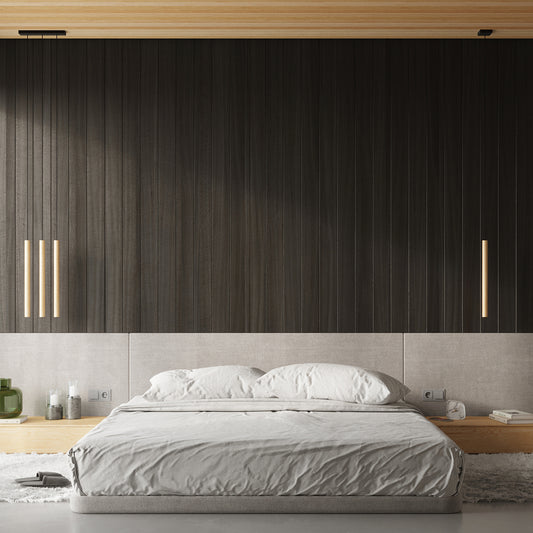
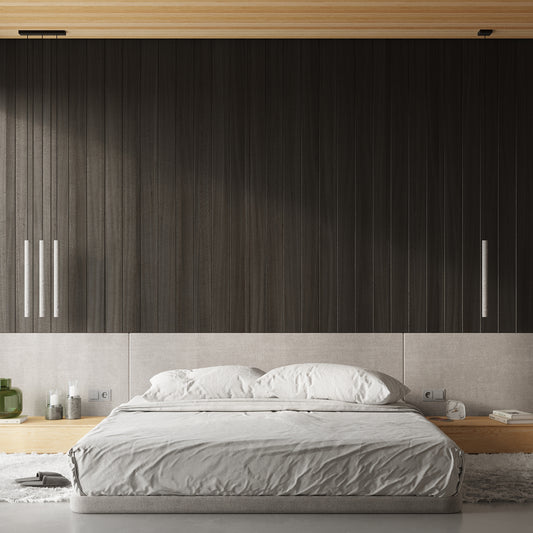
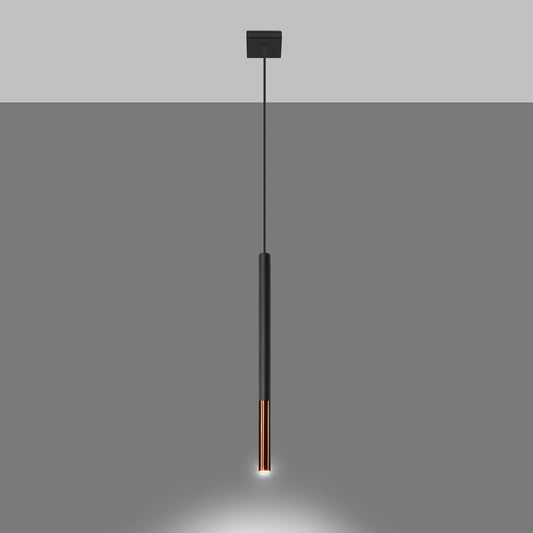
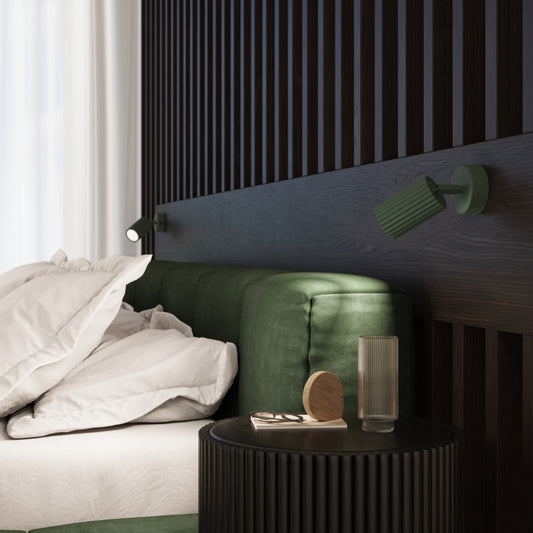
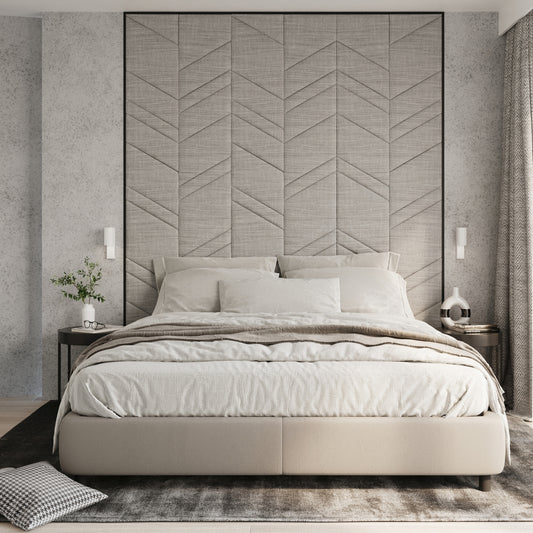
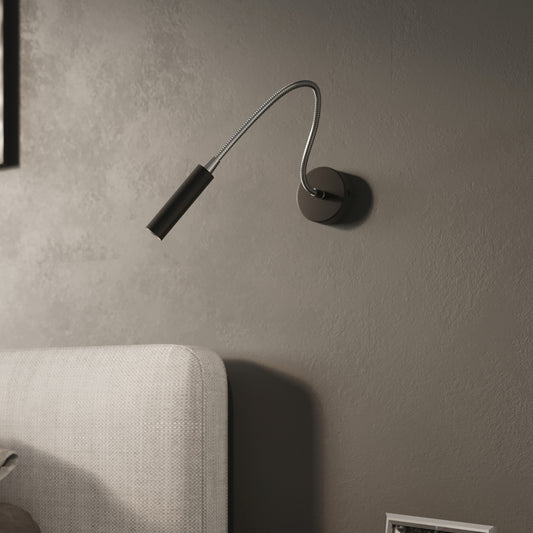
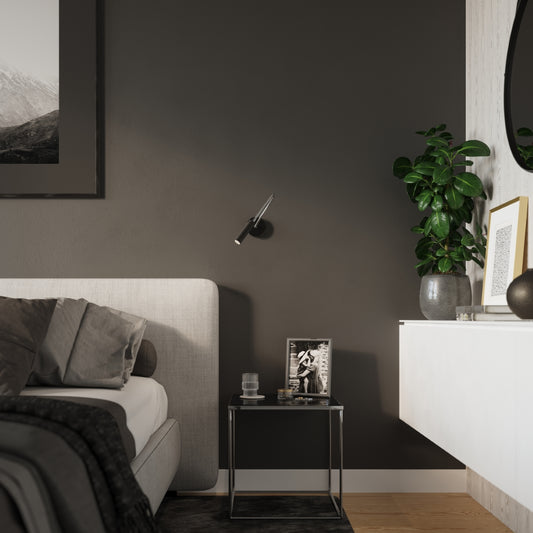
Wall-mounted lamps replace the need for overhead lighting entirely in the bedroom. Keep the colour temperature warm and the wattage low — the bedroom should feel like a retreat, not a showroom. The muted tones of the Wall lamp HALO taupe IP44 are perfectly suited to a restful environment, while the Pendant lamp KARBON 1 beige offers a refined, minimal alternative above a bedside.
Home Office
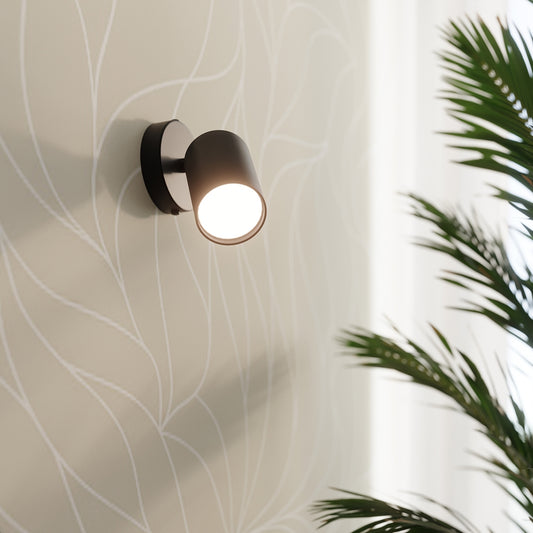
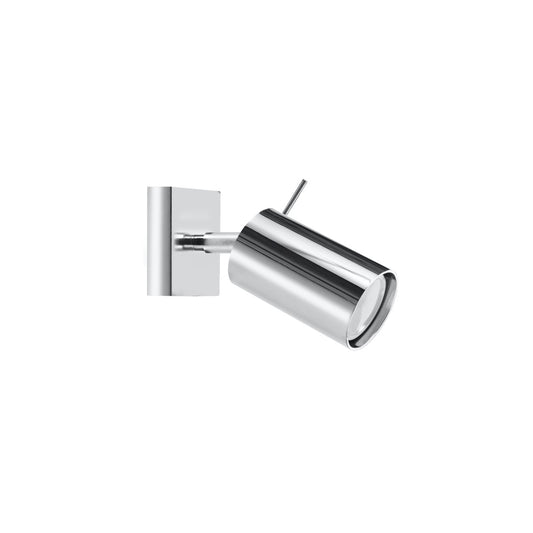
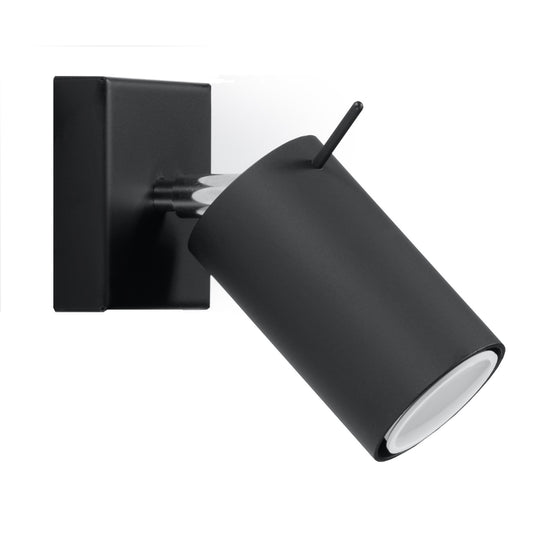
Task lighting is non-negotiable. A well-positioned directional fitting reduces eye strain and keeps the rest of the room in a softer ambient light, maintaining the calm atmosphere that Scandinavian interiors are known for. The Wall lamp AXIL black is a precise, architectural choice for a desk wall, and the Ceiling lamp EYETECH 4 black provides focused overhead illumination without overwhelming the space.
Choosing the Right Fixture
When selecting a light fitting, ask yourself three questions:
- Does it serve a clear function? Decorative lighting is valid, but it should complement a functional layer, not replace it.
- Does it use quality materials? A fixture you will live with for years deserves careful consideration. Look for solid construction and finishes that will age well.
- Does it belong in the space? Scale matters enormously. A pendant that is too small will look lost; one that is too large will overwhelm. As a rule, the diameter of a pendant in centimetres should roughly equal the room’s diagonal measurement in metres multiplied by ten.
Final Thoughts
Scandinavian lighting design is not about following rigid rules — it is about cultivating an atmosphere. By layering warm light sources, choosing fixtures made from honest materials, and resisting the urge to over-illuminate, you can create a home that feels genuinely restful and considered.
Explore the Solstånd Selection to find pieces that bring these principles to life in your own space.