
Sustainable Lighting: Understanding Materials, Energy Efficiency, and Longevity
Share
Sustainability in lighting isn't just about energy-efficient bulbs—it's about choosing fixtures made from responsible materials, built to last decades, and manufactured with care for both people and planet. When you invest in quality lighting, you're making a choice that reduces waste, supports skilled craftsmanship, and creates a more sustainable home.
The Three Pillars of Sustainable Lighting
1. Materials That Matter
The most sustainable light fixture is one you never need to replace. This starts with honest, durable materials that age gracefully rather than deteriorate.
Sustainable materials in quality lighting:
- Natural wood: Renewable, biodegradable, and improves with age. Look for responsibly sourced hardwoods like oak and beech.
- Metal: Steel, aluminium, brass, and copper are infinitely recyclable and incredibly durable. Powder-coated or naturally finished metals last for generations.
- Glass: Made from abundant natural materials (sand, soda ash, limestone), glass is 100% recyclable and doesn't degrade over time.
- Ceramic: Natural clay fired at high temperatures creates durable, non-toxic fixtures that last indefinitely.
- Concrete: Long-lasting and made from abundant natural materials, concrete develops character as it ages.
Materials to avoid:
- Cheap plastics that yellow, crack, and end up in landfills
- Composite materials that can't be recycled or repaired
- Painted finishes that chip and require replacement
- Glued assemblies that can't be disassembled for repair
2. Energy Efficiency: Beyond the Bulb
While LED bulbs are important, true energy efficiency considers the entire fixture's lifecycle and design.
What makes a fixture energy-efficient:
- LED compatibility: Fixtures designed for LED bulbs maximize efficiency and lifespan
- Light direction: Well-designed shades and reflectors direct light where needed, reducing wasted illumination
- Dimmer compatibility: Adjustable brightness means using only the light you need
- Quality components: Better wiring, sockets, and switches mean fewer replacements and less waste
- Modular design: Replaceable parts extend fixture life indefinitely
LED advantages:
- Use 75-80% less energy than incandescent bulbs
- Last 15-25 times longer (15,000-50,000 hours vs. 1,000 hours)
- Produce less heat, reducing cooling costs
- Contain no mercury or toxic materials
- Available in warm colour temperatures (2700-3000K) perfect for homes
3. Longevity Through Quality Craftsmanship
The most sustainable choice is a fixture built so well it becomes an heirloom rather than waste.
Signs of quality construction:
- Solid metal construction rather than hollow or thin materials
- Screwed assemblies that can be disassembled for repair
- Replaceable components (sockets, switches, cords)
- Timeless design that won't look dated in 10-20 years
- Finishes that age gracefully (matte, brushed, natural)
- Clear manufacturing origin and quality standards
European Manufacturing
All our fixtures are manufactured in Poland, where European quality standards and skilled craftsmanship ensure every piece is built to last.
Why European manufacturing matters:
- Strict quality standards: EU regulations ensure safe materials, fair labour practices, and environmental responsibility
- Skilled workforce: Generations of metalworking and lighting expertise in Polish manufacturing
- Shorter supply chains: European production means lower carbon footprint for UK and EU customers
- Accountability: Transparent manufacturing with traceable materials and processes
- Durability focus: European design philosophy prioritizes longevity over disposability
Materials in Practice: Our Collections
Natural Wood: Warmth That Lasts
Wood brings irreplaceable warmth to interiors while being one of the most sustainable materials available.
Featured products:
- Ceiling lamp ORBIS natural wood – Solid wood construction that deepens in colour over decades
- Ceiling lamp QUAD natural wood – Geometric design showcasing wood's natural grain
- Wall lamp FENIKS 1 wenge – Rich wenge finish that ages beautifully
- Salgado Natural Wood Table Lamp – Handcrafted quality in a timeless form
Why wood is sustainable: Responsibly sourced wood is renewable, stores carbon, requires minimal processing, and biodegrades naturally at end of life. Quality wood fixtures improve with age rather than deteriorate.
Metal: Industrial Strength, Infinite Life
Metal fixtures represent the pinnacle of durability and recyclability.
Featured products:
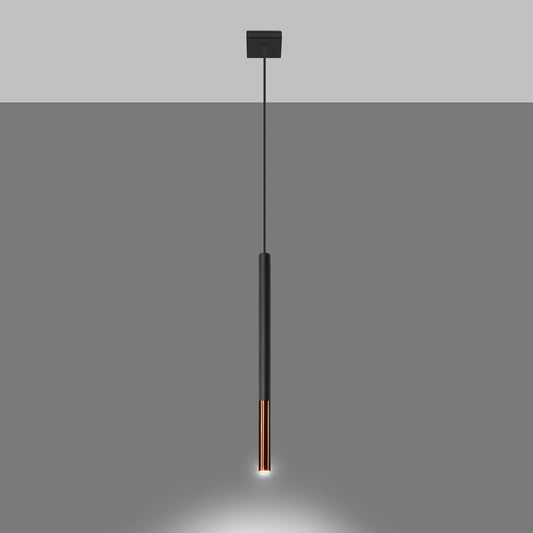
- Ceiling lamp LOOPEZ black/copper – Mixed metals that develop rich patina
- Ceiling lamp ARENA black – Powder-coated steel built to last generations
- Wall lamp RING black – Solid metal construction with timeless circular form
- Ceiling lamp QUAD black – Matte black finish that hides wear and ages gracefully
Why metal is sustainable: Steel and aluminium are infinitely recyclable without quality loss. Metal fixtures can be repaired, refinished, and recycled at end of life. Powder-coated finishes are durable and low-VOC.
Concrete: Raw Beauty, Lasting Strength
Concrete brings industrial aesthetics and exceptional durability.
Featured products:
- Ceiling lamp ORBIS concrete – Raw texture that celebrates honest materials
- Ceiling lamp QUAD concrete – Minimalist form in enduring material
Why concrete is sustainable: Made from abundant natural materials, concrete is incredibly durable and develops character as it ages. Minor chips and patina add to its appeal rather than diminishing it.
Ceramic: Artisanal Craft, Timeless Appeal
Handcrafted ceramic fixtures combine sustainability with artisanal quality.
Featured products:
- Wall lamp ceramic VEGA – Handcrafted quality in natural clay
- Wall lamp ceramic LEO LINE – Artisanal texture and form
- Wall lamp ceramic OSKAR – Traditional craftsmanship meets modern design
Why ceramic is sustainable: Natural clay is abundant and non-toxic. Ceramic is incredibly durable, doesn't degrade, and can last centuries. Handcrafted pieces support skilled artisans and traditional techniques.
The True Cost of Cheap Lighting
A £30 fixture that lasts 3 years costs more—financially and environmentally—than a £150 fixture that lasts 30 years.
Hidden costs of cheap fixtures:
- Replacement cycle: Buying 10 cheap fixtures over 30 years vs. 1 quality fixture
- Landfill waste: Plastic and composite materials that can't be recycled
- Energy inefficiency: Poor light direction wastes electricity
- Aesthetic compromise: Trendy designs that date quickly require replacement
- Manufacturing impact: Long supply chains and questionable labour practices
Value of quality fixtures:
- Cost per year: £150 fixture ÷ 30 years = £5/year vs. £30 fixture ÷ 3 years = £10/year
- Zero waste: One purchase instead of ten
- Energy savings: Better light direction and LED compatibility
- Timeless design: Never needs replacement due to changing trends
- Ethical production: Fair wages and environmental responsibility
How to Choose Sustainable Lighting
1. Prioritize Materials
Choose fixtures made from natural, durable, recyclable materials: metal, wood, glass, ceramic, concrete.
2. Check Manufacturing Origin
European manufacturing ensures quality standards, fair labour, and shorter supply chains for UK/EU customers.
3. Assess Construction Quality
Look for solid construction, screwed assemblies, replaceable components, and finishes that age well.
4. Choose Timeless Design
Simple, geometric forms in neutral colours never go out of style, eliminating replacement due to trends.
5. Verify LED Compatibility
Ensure fixtures accept standard LED bulbs (E27, E14, GU10) for maximum energy efficiency and bulb availability.
6. Consider Repairability
Can you replace the socket, cord, or switch? Modular design extends life indefinitely.
7. Calculate True Cost
Divide purchase price by expected lifespan to understand cost per year. Quality fixtures are always cheaper long-term.
Caring for Your Fixtures: Maximizing Lifespan
Simple maintenance extends life:
- Dust regularly: Prevents buildup that reduces light output and can damage finishes
- Use correct bulbs: Follow wattage recommendations to prevent overheating
- Tighten connections: Periodically check that fixtures are securely mounted
- Clean gently: Use appropriate cleaners for each material (wood oil, metal polish, glass cleaner)
- Replace worn parts: Swap out cords, sockets, or switches before they fail
- Embrace patina: Natural aging adds character to quality materials
The Circular Economy: End of Life
Even the best fixtures eventually reach end of life. Quality materials ensure responsible disposal.
What happens to quality fixtures:
- Metal fixtures: 100% recyclable into new products
- Wood fixtures: Can be repurposed, composted, or used as biomass fuel
- Glass components: Infinitely recyclable without quality loss
- Ceramic pieces: Can be crushed for aggregate or kept as decorative objects
- Concrete fixtures: Recyclable as aggregate for new concrete
What happens to cheap fixtures:
- Plastic components end up in landfills for centuries
- Glued assemblies can't be separated for recycling
- Mixed materials contaminate recycling streams
- Toxic coatings prevent safe disposal
Frequently Asked Questions
Q: Are LED bulbs really worth the higher upfront cost?
A: Absolutely. A quality LED bulb costs £5-10 but lasts 15-25 years and uses 75% less electricity. An incandescent bulb costs £1-2 but lasts 1 year and wastes energy as heat. Over 15 years, LEDs save hundreds of pounds in electricity and replacement costs.
Q: How can I tell if a fixture is well-made?
A: Check the weight (solid materials are heavier), look for screwed rather than glued assemblies, verify the finish quality, and research the manufacturer's reputation. European-made fixtures typically meet higher quality standards than mass-market alternatives.
Q: Is it better to repair an old fixture or buy new?
A: If the fixture is well-made with quality materials, repair is almost always more sustainable. Replace worn sockets, cords, or switches rather than the entire fixture. Only replace if the fixture is damaged beyond repair or made from poor materials.
Q: What's the most sustainable lighting choice for my home?
A: The fixtures you already own, maintained well. For new purchases, choose quality fixtures made from natural materials (metal, wood, glass, ceramic) by reputable European manufacturers, designed for LED bulbs, in timeless styles you'll love for decades.
Q: How do I dispose of old light fixtures responsibly?
A: Separate components by material. Metal, glass, and wood can often be recycled through local programs. Check with your council for electronics recycling for wired components. Consider donating working fixtures to charity shops or architectural salvage yards.
Q: Are dimmers worth it for sustainability?
A: Yes. Dimmers reduce energy consumption when full brightness isn't needed and extend LED bulb life by reducing heat stress. They also improve comfort and ambiance, making you less likely to replace fixtures due to functionality issues.
Simple Lighting, Done Well: Our Commitment
Sustainability isn't a marketing claim—it's embedded in every choice we make. By partnering with our manufacturers in Poland, we ensure:
- Quality materials that last decades, not years
- European manufacturing with fair labour and environmental standards
- Timeless designs that never need replacement due to trends
- Honest construction you can repair and maintain
- Shorter supply chains for lower carbon footprint
When you choose quality lighting, you're not just buying a fixture—you're investing in a more sustainable future.
Ready to make sustainable choices? Explore our collections of ceiling lamps, wall lamps, pendant lamps, and table lamps—all crafted by in Poland with materials and construction built to last a lifetime.