
What Makes Scandinavian Lighting Design Timeless?
Share
Trends come and go, but Scandinavian lighting design endures. From mid-century classics to contemporary interpretations, the principles that define Nordic design have remained remarkably consistent for decades. But what makes these fixtures feel as relevant today as they did fifty years ago—and will fifty years from now?
The answer lies not in following trends, but in honouring timeless principles: function over decoration, honest materials over artifice, and human-centred design over fleeting fashion.
The Core Principles of Scandinavian Lighting Design
1. Form Follows Function
In Scandinavian design, every element serves a purpose. There are no purely decorative flourishes—if it doesn't improve the function or experience of the light, it doesn't belong.
What this means in practice:
- Adjustable arms on reading lamps positioned exactly where you need light
- Shades designed to direct light efficiently while minimizing glare
- Switches and dimmers placed intuitively for ease of use
- Proportions that balance visual weight with practical illumination
This functional approach creates designs that feel "right" rather than showy. A Scandinavian pendant doesn't demand attention—it quietly performs its job beautifully.
2. Honest Materials
Scandinavian designers celebrate materials for what they are, not what they pretend to be. Wood looks like wood. Metal looks like metal. Concrete embraces its raw texture.
Materials you'll find in authentic Scandinavian lighting:
- Natural wood: Oak, beech, birch—often left in natural finishes that age gracefully
- Metal: Matte black steel, brushed brass, copper—finishes that develop character over time
- Glass: Clear or subtly tinted, allowing light to pass through honestly
- Concrete: Raw, textured, celebrating industrial aesthetics
- Linen and cotton: Natural fabric shades that diffuse light softly
What you won't find: Plastic disguised as wood, chrome pretending to be silver, artificial finishes that chip and fade.
The result? Fixtures that improve with age rather than deteriorate. A brass pendant develops a warm patina. Natural wood deepens in colour. These aren't flaws—they're the story of a well-lived life.
3. Clean Lines and Minimal Ornamentation
Scandinavian design strips away the unnecessary. This isn't about being cold or austere—it's about clarity and calm.
The Scandinavian approach to form:
- Geometric shapes: circles, cylinders, cones, spheres
- Smooth transitions without fussy details
- Visible construction that celebrates craftsmanship rather than hiding it
- Negative space as an intentional design element
Think of a simple dome pendant or a cylindrical wall sconce. The beauty lies in the purity of the form, the quality of the material, and the precision of the execution.
4. Light Quality Over Light Quantity
Scandinavian countries experience long, dark winters and brief, intense summers. This relationship with natural light profoundly influences lighting design.
Key considerations:
- Warm colour temperature: 2700-3000K mimics the warm glow of candlelight and sunset
- Diffused illumination: Soft, even light without harsh shadows or glare
- Layered approach: Multiple light sources at different heights create depth and flexibility
- Dimmability: Control over intensity allows adaptation to mood and time of day
The goal isn't to flood a space with brightness—it's to create the right quality of light for living well.
5. Human-Centred Design
Scandinavian design prioritizes the human experience above all else. How does the light make you feel? Is it easy to use? Does it improve your daily life?
Human-centred details:
- Fixtures scaled appropriately for the spaces they inhabit
- Heights and positions optimized for actual human use
- Switches and controls that feel intuitive
- Light that enhances wellbeing rather than causing eye strain
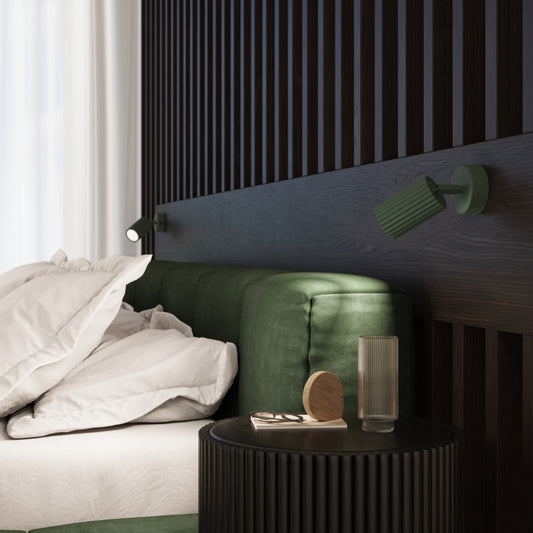
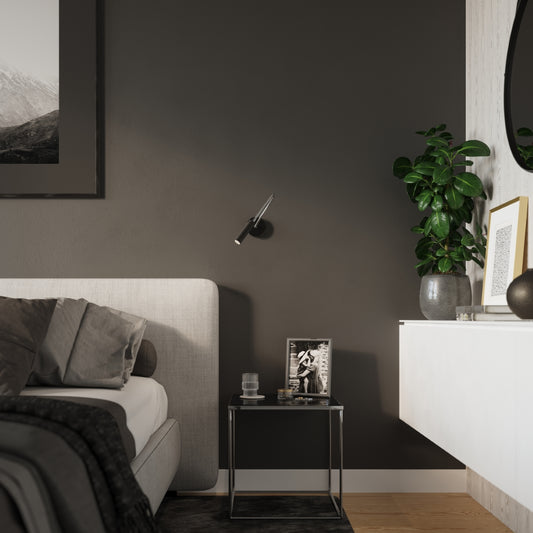
This is why Scandinavian bedside lamps are mounted at reading height, why pendant lights hang at conversation-friendly levels, and why dimmers are considered essential rather than optional.
Why These Principles Create Timeless Design
Timelessness isn't about avoiding change—it's about focusing on what doesn't change.
Human needs remain constant. We still need light to read, cook, and gather. We still crave warmth and comfort in our homes. We still appreciate quality craftsmanship and honest materials.
Scandinavian lighting design endures because it addresses these fundamental needs without relying on temporary aesthetics. A well-designed pendant from 1960 works just as well in a 2026 home because the principles that guided its creation are rooted in human experience, not fashion cycles.
Timeless Design in Practice: Product Examples
Let's look at how these principles manifest in real fixtures—pieces that embody Scandinavian design philosophy and will remain relevant for decades.
The ORBIS Collection: Honest Materials, Pure Form
The ORBIS ceiling lamp series perfectly demonstrates timeless Scandinavian design through material honesty and geometric simplicity.
Why it's timeless:
- Pure geometric form: Simple hemisphere shape that's been relevant for 70+ years
- Material variety: Available in natural wood, concrete, matte black, and white
- Honest construction: Each material is celebrated for its authentic texture and finish
- Functional design: Flush-mount profile maximizes ceiling height while providing excellent ambient light
The ORBIS collection works equally well in a 1960s mid-century home, a contemporary loft, or a traditional cottage because it doesn't try to be trendy—it simply does its job beautifully.
The QUAD Collection: Minimalist Geometry
The QUAD series showcases how clean lines and simple forms create enduring design.
Why it's timeless:
- Geometric purity: Square/rectangular form with no unnecessary embellishment
- Versatile finishes: Natural wood, concrete, white, grey, black
- Scalable design: Available in multiple sizes for different spaces
- Timeless proportions: Balanced dimensions that feel "right" in any era
The QUAD collection demonstrates that minimalism doesn't mean boring—it means refined, intentional, and enduring.
The LAGOS Collection: Function-First Design
The LAGOS ceiling lamp range embodies the "form follows function" principle with its clean cylindrical design.
Why it's timeless:
- Functional form: Cylindrical shape directs light efficiently while maintaining visual simplicity
- Multiple sizes: 20cm, 40cm, 60cm in white, plus 40cm black
- Classic colour palette: Black and white finishes that never go out of style
- Versatile application: Works in kitchens, bathrooms, hallways, and bedrooms
LAGOS proves that when you design for function first, timeless aesthetics naturally follow.
The KARBON Collection: Industrial Meets Scandinavian
The KARBON table lamp series demonstrates how Scandinavian principles can incorporate industrial influences while remaining timeless.
Why it's timeless:
- Honest materials: Exposed metal construction celebrates craftsmanship
- Functional adjustability: Designed for task lighting with purposeful form
- Muted colour palette: White, beige, black, gold, olive green
- Human-centred design: Positioned and scaled for actual reading and working
KARBON shows that timeless design can draw from multiple influences (industrial, Scandinavian) when grounded in functional principles.
The LOOPEZ Collection: Mixed Materials, Timeless Appeal
The LOOPEZ ceiling lamp series showcases how mixed metal finishes can create lasting design when executed with restraint.
Why it's timeless:
- Geometric simplicity: Clean dome shape with minimal ornamentation
- Honest material combinations: Black/copper, black/golden, black/chrome
- Industrial heritage: Draws from factory lighting—a design language that's endured for over a century
LOOPEZ demonstrates that timeless design can incorporate trend elements (mixed metals) when they're rooted in historical precedent rather than fleeting fashion.
The ARENA Collection: Classic Dome Pendant
The ARENA ceiling lamp represents one of the most enduring lighting forms in design history.
Why it's timeless:
- Archetypal form: The dome pendant has been relevant since the early 1900s
- Perfect proportions: Available in 35cm and 45cm sizes
- Neutral palette: Black and white finishes
- Functional excellence: Directs light downward efficiently while creating ambient glow
ARENA proves that some forms are timeless because they simply work—functionally, aesthetically, and psychologically.
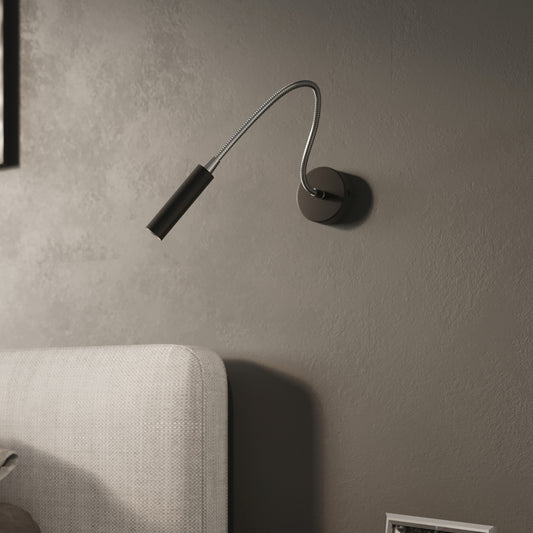
The TEAR & LEMMI Wall Lamps: Minimalist Task Lighting
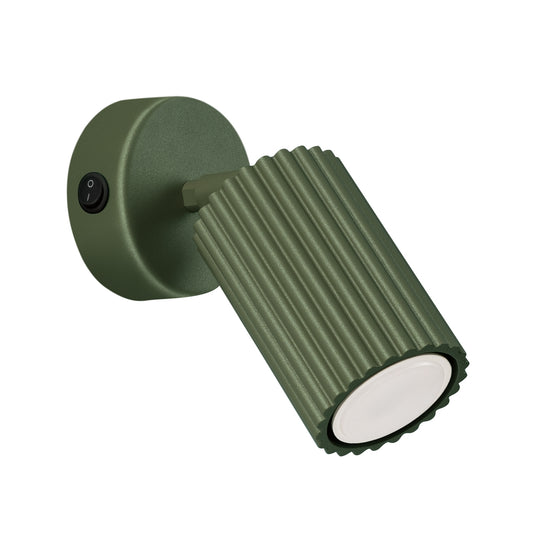
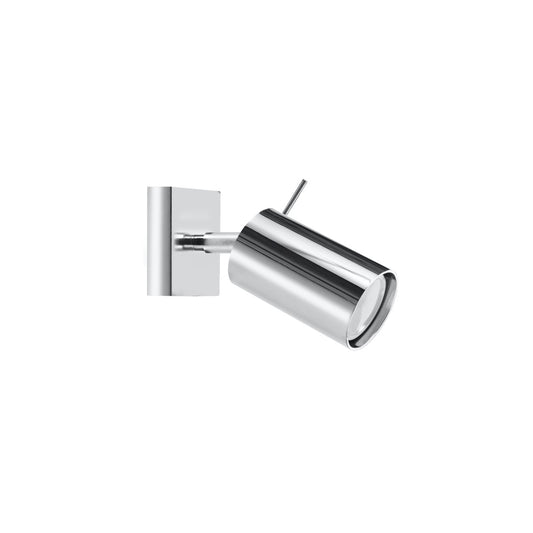
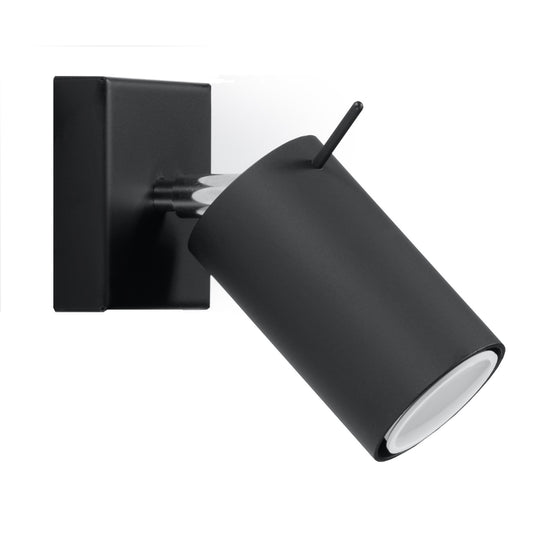
The TEAR and LEMMI wall lamp collections demonstrate how task lighting can be both functional and timeless.
Why they're timeless:
- Purpose-driven design: Every element serves the function of directing light where needed
- Minimal footprint: Wall-mounting saves space—a principle that never goes out of style
- Simple colour options: Black and white finishes that work in any era
- Human-scaled: Positioned at eye level for optimal task illumination
These fixtures show that timeless design doesn't require complexity—sometimes the simplest solution is the most enduring.
The PASTELO Collection: Muted Colour, Timeless Form
The PASTELO pendant series demonstrates how to incorporate colour while maintaining timeless appeal.
Why it's timeless:
- Muted tones: Available in white and black—colours that never feel dated
- Classic dome form: Simple hemisphere shape with clean lines
- Scalable system: Available in single, 3-light, and 5-light configurations
- Versatile application: Works as accent or primary lighting depending on configuration
PASTELO proves that timeless design focuses on classic forms and neutral colours that endure across decades.
How to Choose Lighting That Lasts
1. Prioritize Quality Over Price
A £200 fixture made from solid materials with quality construction will outlast and outperform five £40 fixtures made from cheap materials.
What to look for:
- Solid metal construction rather than hollow or plastic components
- Natural materials (wood, glass, linen) rather than synthetic alternatives
- Replaceable bulbs and components for long-term serviceability
- Finishes that age gracefully (matte, brushed, natural) rather than shiny coatings that wear
2. Choose Simple, Geometric Forms
Ornate, trendy designs date quickly. Simple geometric shapes remain relevant across decades.
Timeless shapes:
- Dome pendants (hemisphere or shallow bowl)
- Cylindrical wall sconces
- Spherical table lamps
- Conical shades
- Linear fixtures with clean edges
3. Select Neutral Colours with Intentional Accents
Black, white, natural wood, brass, and copper work in virtually any interior and across design eras.
Colour strategy:
- Foundation: Black, white, natural wood for 80% of your lighting
- Accent: One or two fixtures in muted colours for personality
- Avoid: Bright, saturated colours that will feel dated in 2-3 years
4. Invest in Adjustability and Flexibility
Needs change. Rooms get repurposed. Furniture moves. Lighting that adapts survives.
Flexible features:
- Dimmers on all fixtures
- Adjustable arms or heads on task lights
- Modular systems that can be reconfigured
- Portable table and floor lamps that move with you
5. Consider the Whole Lifecycle
Timeless design isn't just about aesthetics—it's about longevity and sustainability.
Questions to ask:
- Can components be replaced if they break?
- Will this finish age gracefully or look worn in 5 years?
- Is this made from materials that will last decades?
- Can I find replacement bulbs easily?
- Will this style work if I change my décor?
The "Simple Lighting, Done Well" Philosophy
At the heart of Scandinavian design is a deceptively simple idea: do fewer things, but do them exceptionally well.
This means:
- Fewer fixtures, better placed: Three well-chosen lights outperform ten mediocre ones
- Quality materials, honestly used: Real wood, solid metal, genuine craftsmanship
- Timeless forms, perfectly executed: Classic shapes with impeccable proportions
- Function first, beauty follows: When something works perfectly, it becomes beautiful
This philosophy rejects the idea that "more is better" or that design must constantly reinvent itself. Instead, it embraces refinement, iteration, and respect for what works.
Frequently Asked Questions
Q: Is Scandinavian lighting design only for modern homes?
A: Not at all. The clean lines and honest materials of Scandinavian design complement traditional, contemporary, and eclectic interiors. A simple brass pendant works as well in a Victorian terrace as in a modern flat.
Q: How do I mix Scandinavian lighting with other design styles?
A: Scandinavian pieces act as "neutral anchors" that ground more decorative elements. Use them for your primary lighting (ceiling, task) and add personality through accent pieces.
Q: Are all simple designs considered Scandinavian?
A: No. True Scandinavian design balances simplicity with warmth, function with beauty, and quality with accessibility. Simple doesn't always mean Scandinavian—it must also embody the human-centred, honest-materials philosophy.
Q: Is Scandinavian design expensive?
A: Authentic Scandinavian design prioritizes quality, which often costs more upfront. However, the longevity and timelessness mean lower cost-per-year of ownership compared to cheap, trendy alternatives you'll replace repeatedly.
Q: Can I achieve Scandinavian style with just lighting?
A: Lighting is a powerful tool for creating Scandinavian atmosphere—warm, layered light with quality fixtures goes a long way. Combine it with natural materials, neutral colours, and uncluttered spaces for the full effect.
Ready to invest in lighting that lasts? Explore our collections of ceiling lamps, wall lamps, pendant lamps, and table lamps—all crafted with honest materials and functional design principles that will serve you beautifully for decades to come.